No products in the cart.
Digital Transformation of Your IT Service
Outsourcing Through Our ZONE IBOSS Platform
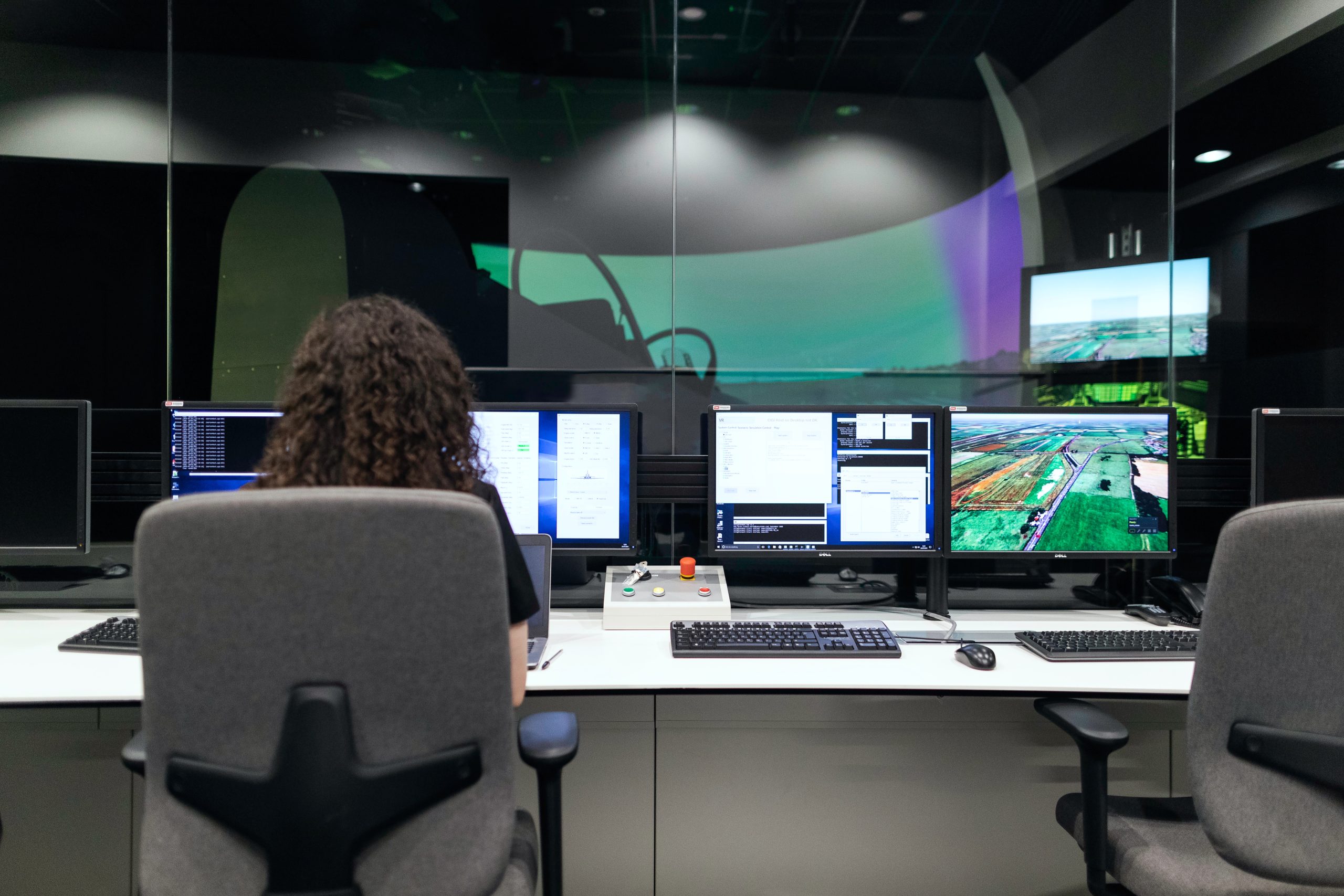
Work is becoming more distributed across Saudi Arabia. Companies in Riyadh, Jeddah, Dammam, and emerging economic hubs are building teams that collaborate across offices, homes, client sites, and cloud environments. This shift is creating demand for reliable digital workplaces, stronger cybersecurity, and technology strategies that support business growth.
Remote work is no longer defined only by video meetings and shared documents. It now involves workflow automation, cloud applications, digital identity, data governance, software quality, and employee experience. For Saudi businesses, these capabilities must also align with local regulations, sector requirements, and the ambitions of Saudi Vision 2030.
Digital transformation gives organizations a way to connect people, processes, and technology into one operating model. With the right implementation partner, remote teams can become more productive, measurable, and resilient without losing the collaboration and accountability that effective work requires.
Saudi organizations are expanding their use of remote and hybrid teams because digital collaboration can widen access to specialist talent. A business can bring together professionals from different cities or countries while maintaining shared systems, performance standards, and customer service processes. This is particularly valuable for technology, finance, consulting, education, and e-commerce companies.
The growth of cloud computing and high-speed connectivity has made it easier to manage work outside a central office. Employees can access enterprise applications, project dashboards, customer records, and communication channels from approved devices. When these tools are connected properly, teams spend less time searching for information and more time delivering outcomes.
Remote work also supports business continuity. If office access is interrupted, a digitally mature organization can continue essential operations through secure cloud platforms and documented workflows. This resilience is becoming a strategic advantage rather than a temporary convenience.
A successful remote workforce needs more than a collection of applications. It requires an integrated technology architecture that supports identity management, secure access, collaboration, document control, and service monitoring. Cloud infrastructure can provide flexibility, but it must be configured with clear permissions, backup policies, and operational ownership.
Cybersecurity should be designed into every layer of the remote work environment. Multi-factor authentication, endpoint protection, encrypted communication, vulnerability management, and employee awareness training help reduce the risk of unauthorized access. Organizations should also consider data classification and privacy obligations when choosing where information is stored and processed.
Software testing is another essential capability. An application that performs well in an office may fail when employees rely on different networks, devices, or browsers. Functional, performance, usability, and security testing can reveal weaknesses before they interrupt customer service or internal operations.
Technology creates value when it improves the way people work. Leaders should map important processes before selecting platforms, identifying delays, duplicate tasks, approval bottlenecks, and manual reporting requirements. This approach prevents organizations from buying disconnected tools that increase complexity instead of solving problems.
Automation can support routine activities such as ticket routing, invoice approvals, employee onboarding, status reporting, and customer notifications. Artificial intelligence may also help with knowledge search, document analysis, and service desk responses. Human oversight remains important, especially where decisions involve personal information, financial risk, or regulatory responsibility.
A practical transformation program often combines internal teams with specialized service providers. Through the ZONE IBOSS platform, Saudi businesses can explore technology consulting, implementation support, software testing, and coordination with solution providers. This type of expertise helps connect strategic goals with workable technical decisions.
Different organizations need different levels of flexibility, control, and investment. The best model depends on the nature of the work, customer expectations, security requirements, and the maturity of the company’s digital infrastructure.
| Work model | Main strengths | Common risks | Technology priorities |
|---|---|---|---|
| Fully office-based | Direct supervision and fast in-person coordination | Limited flexibility and higher facility costs | Internal networks, access control, on-site systems |
| Fully remote | Wider talent access and location flexibility | Isolation, inconsistent connectivity, weaker informal communication | Cloud collaboration, endpoint security, virtual support |
| Hybrid | Balance between flexibility and face-to-face teamwork | Unequal employee experience and complex scheduling | Shared workspaces, digital meeting rooms, unified communications |
| Remote-first with periodic gatherings | Strong digital culture and broad recruitment reach | Requires disciplined documentation and communication | Workflow automation, knowledge management, secure identity |
The hybrid model is likely to remain common in Saudi Arabia because it combines personal interaction with digital flexibility. However, hybrid work can expose process gaps. If information is shared informally in an office, remote employees may miss important context. Standardized documentation and inclusive meeting practices help create a more consistent experience.
Remote team performance depends on trust supported by clear measurement. Managers should define outcomes, service levels, ownership, and communication standards instead of relying on physical presence as a sign of productivity. Project management systems can make responsibilities visible while giving employees autonomy over how they complete their work.
Governance is equally important. Organizations should establish policies for device usage, access approvals, data retention, incident reporting, and third-party software. These controls should be practical enough for employees to follow and reviewed regularly as the technology environment changes.
Leaders can strengthen remote operations by prioritizing the following actions:
These measures help turn remote work from an informal arrangement into a managed operating capability. They also give decision-makers evidence for improving systems and allocating technology budgets.
A remote team can have excellent software and still struggle with engagement. Employees need training, responsive technical support, and clear expectations about availability. Communication should account for different roles, working patterns, language preferences, and levels of digital confidence.
Saudi organizations may also need to balance Arabic and English communication across departments and customer channels. User-friendly interfaces, accessible documentation, and localized support can improve adoption. When employees understand why a new system is being introduced, they are more likely to use it correctly and contribute useful feedback.
Change management should continue after a platform goes live. Usage data, employee feedback, help-desk trends, and performance indicators can show whether a transformation initiative is achieving its purpose. Continuous improvement keeps the digital workplace aligned with business priorities rather than allowing systems to become outdated.
The future of remote teams in Saudi Arabia will be shaped by intelligent automation, connected cloud services, stronger cyber resilience, and more flexible workforce models. Organizations that invest early in integration and governance will be better placed to scale across locations while protecting customer and business data.
Successful transformation will depend on choosing technology that fits the organization’s people and processes. It will also require experienced oversight across consulting, implementation, testing, and service management. A coordinated approach can reduce technical risk and create a smoother path from strategy to daily use.
Businesses ready to modernize their remote operations can begin by assessing current workflows, security controls, collaboration tools, and employee needs. Connect with ZONE IBOSS to plan a practical digital transformation strategy designed for the realities of Saudi workplaces.
The “ZONE IBOSS” team of experts are fully prepared to provide immediate assistance to choose the best service and the best solution for your business today.