No products in the cart.
Digital Transformation of Your IT Service
Outsourcing Through Our ZONE IBOSS Platform

Saudi cities are investing heavily in connected mobility, urban analytics and automated transport services. Riyadh, Jeddah and emerging developments such as NEOM require traffic platforms that can process live data, coordinate agencies and improve journeys without compromising safety or public trust.
For Australian organisations evaluating this market, the opportunity extends beyond supplying sensors or software. Successful programmes need governance, systems integration, cybersecurity, service design and reliable operational support. An experienced consulting partner can connect these requirements into a practical delivery model.
Australian transport leaders will recognise familiar pressures: congestion around Sydney’s arterial roads, Melbourne’s tram priority requirements and Brisbane’s need to account for severe weather and flooding. Saudi projects have different climates, regulations and urban patterns, yet the underlying need for dependable, real-time decisions is similar.
Everyday travel habits also matter. Australians expect contactless payments, clear road information, accessible public transport and privacy-conscious digital services. These expectations provide useful design benchmarks when planning mobility applications, traffic control centres and intelligent transport systems for Saudi residents, visitors and commercial operators.
IT consulting for Saudi smart city traffic management systems should begin with the city’s measurable objectives. These may include reducing journey times, improving emergency response, lowering emissions, supporting public transport or managing major event traffic. A clear benefits framework prevents technology procurement from becoming disconnected from transport policy.
Consultants can map stakeholders across municipalities, transport authorities, police, emergency services, infrastructure operators and private mobility providers. They can then define ownership for data, incident response, network changes and performance reporting. This approach is particularly valuable where several suppliers must work within one connected urban environment.
A specialist technology partner such as ZONE IBOSS can support planning, implementation management and digital transformation across these workstreams. The value lies in translating strategic ambitions into an achievable architecture, delivery roadmap and operating model.
A modern traffic management platform brings together signals, cameras, roadside units, connected vehicles, public transport feeds, parking systems and weather information. Data should be normalised through secure interfaces so that a city can replace individual components without rebuilding its entire control environment.
Cloud and hybrid infrastructure can provide elastic processing for peak demand, while edge computing supports rapid decisions close to intersections and road corridors. A strong architecture also defines data quality rules, retention periods, access permissions and service-level targets. These foundations help analytics teams use artificial intelligence without treating incomplete data as reliable intelligence.
Saudi deployments may need to support Arabic and English interfaces, high temperatures, dust exposure and large variations in traffic during religious events, holidays and major entertainment programmes. The architecture should therefore be resilient, observable and designed for graceful degradation when communications or field equipment fail.
Interoperability is central to intelligent transport systems. Traffic signal control, variable message signs, parking guidance, tolling, public transport priority and incident management should exchange information through documented APIs and common data models. This reduces vendor lock-in and gives operators a consistent view of the road network.
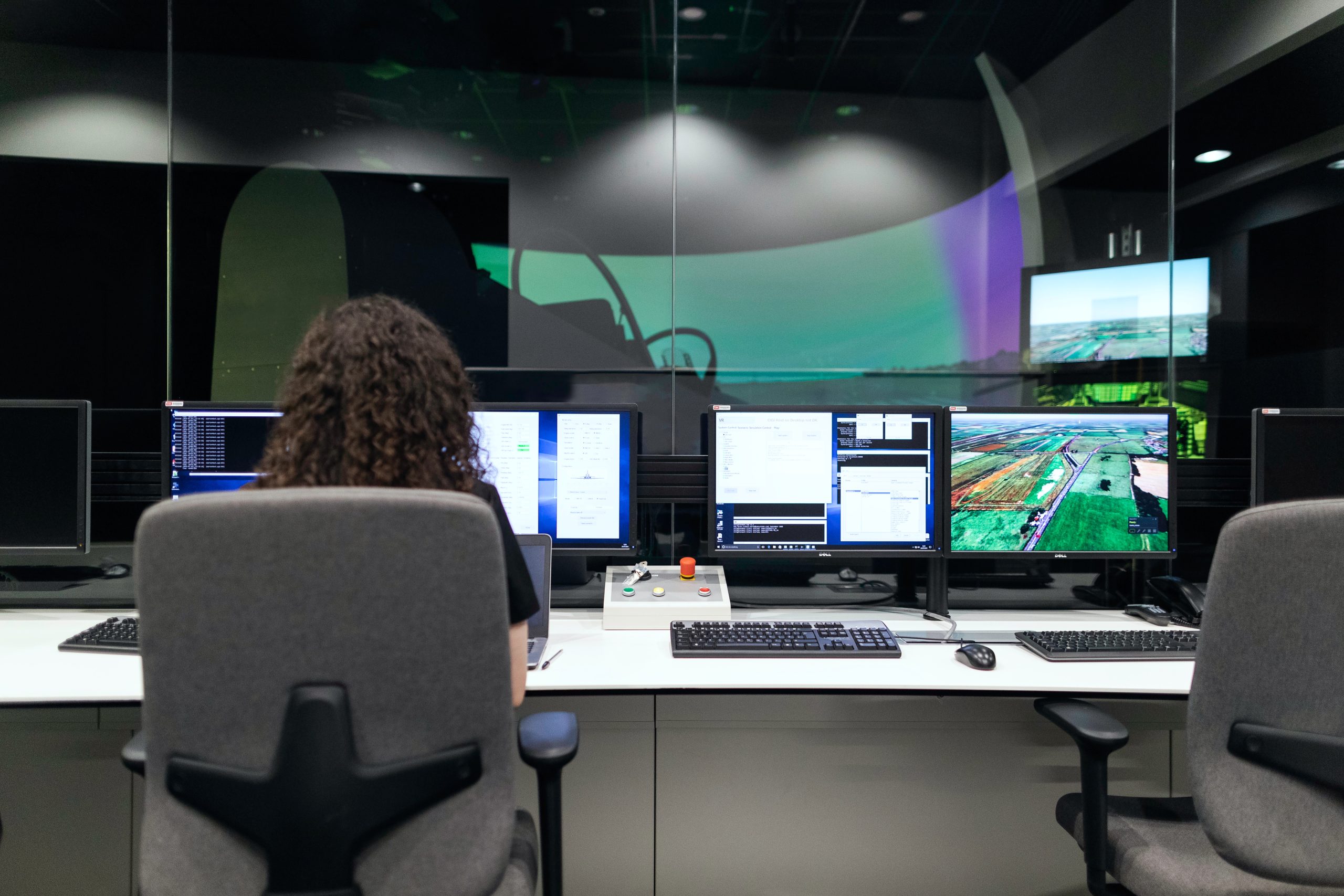
The operating model must be designed alongside the technology. Control-room staff need role-based dashboards, escalation procedures and clear playbooks for crashes, road closures, cyber incidents and extreme weather. Automation should assist professional judgement, with defined human oversight for decisions that affect safety or access.
Australian lessons can be useful here. Melbourne’s tram network demonstrates how public transport priority must coexist with general traffic, while Sydney’s road network shows the importance of corridor-level coordination. Saudi cities can adapt these principles to bus rapid transit, metro connections, autonomous mobility and large-scale event logistics rather than copying another country’s system unchanged.
A connected traffic network expands the cyber-attack surface through sensors, cameras, mobile applications, operational technology and third-party integrations. Security controls should be included from design through retirement, with asset inventories, identity management, network segmentation, vulnerability handling and continuous monitoring.
Saudi smart city programmes also need a clear approach to data sovereignty, supplier access and incident reporting. A cybersecurity framework should distinguish business IT from operational technology while still enabling controlled information exchange. Regular tabletop exercises can test whether agencies know how to isolate compromised systems and maintain safe traffic operations.
Guidance on smart city cybersecurity can help project teams structure governance around risk assessment, resilience and accountability. Australian stakeholders will also recognise the importance of privacy obligations under the Privacy Act and security expectations associated with critical infrastructure regulation, including the Security of Critical Infrastructure framework.
Testing should cover more than whether an application opens or a signal responds. Functional, integration, performance, usability, accessibility, penetration and disaster-recovery testing are all relevant to a city-scale mobility platform. Digital twins and simulation environments can model congestion, incidents, sensor outages and sudden demand surges before changes reach live roads.
Field trials should include different intersection types, vehicle mixes, weather conditions and communication states. In Saudi Arabia, heat and dust resilience may be essential for roadside equipment, while high-volume event scenarios can expose weaknesses in capacity planning. Test results should be linked to acceptance criteria that agencies and suppliers agree before deployment.
Independent software testing also helps identify defects between products supplied by different vendors. A disciplined process records evidence, prioritises risks and confirms that fixes work in realistic conditions. This creates confidence for transport authorities and gives operators a dependable baseline for future upgrades.
A phased programme usually offers better control than attempting a city-wide transformation in one release. An initial corridor or district can prove the data model, operating procedures and security controls, after which successful capabilities can be scaled through repeatable templates.
Consulting teams should also prepare the people who will run the service. Training, knowledge transfer, maintenance contracts and supplier governance determine whether a sophisticated platform remains effective after launch. Local capability development can reduce dependency on external specialists and improve response times.
Recommended priorities include:
A smart traffic system should evolve as travel patterns, regulations and city services change. Modular procurement, documented interfaces and transparent performance measures make it easier to introduce connected vehicles, new public transport services or advanced analytics without destabilising existing operations.
For Australian firms entering Saudi projects, the strongest approach combines local regulatory awareness with proven transport engineering and digital delivery discipline. The practical takeaway is to treat traffic technology as a managed urban service: define the outcomes, secure the data, test the whole operating environment and scale only what has demonstrated value.
The “ZONE IBOSS” team of experts are fully prepared to provide immediate assistance to choose the best service and the best solution for your business today.