No products in the cart.
Digital Transformation of Your IT Service
Outsourcing Through Our ZONE IBOSS Platform

Digital transformation in Saudi oil and gas field operations is moving beyond back-office digitisation. Connected wells, automated processing, remote monitoring and mobile maintenance are reshaping how production assets are operated across the Kingdom’s large and varied landscapes.
The goal is not a paperless field, but faster, safer decisions. Reliable data from SCADA, historians and work-order systems can expose production decline, equipment degradation and overdue maintenance before failures interrupt output or place personnel at risk.
For Australian energy professionals and technology leaders, the opportunity is to adapt proven field-service discipline to Saudi operating conditions while building local capability. Workforce ownership and disciplined governance determine whether new technology becomes everyday practice.
Connected operations create a continuous view from the wellhead to the processing facility. Edge devices can monitor pressure, temperature and vibration; a remote operations centre can prioritise exceptions; and a digital twin of a well, pump or compressor train can test scenarios before a field intervention. These capabilities shorten the distance between an operating anomaly and an informed response.
Predictive maintenance is especially valuable where roads, weather and permit-to-work controls limit access. Combining sensor history with technician observations and asset-integrity records gives maintenance teams stronger context than an alarm alone. The outcome should be measured in avoided downtime, reduced truck rolls, longer equipment life and fewer high-potential incidents rather than in dashboards deployed.
Saudi field sites can combine extreme heat, dust, sparse fixed connectivity and long distances between work areas. Field devices therefore need offline-first workflows, ruggedised hardware, encrypted synchronisation and controlled remote access. Edge computing can keep essential monitoring and instructions available when the wide-area network is unreliable, while a central platform records every change and audit event.
Architecture alone does not create resilience. Identity management, network segmentation, tested backups and clear ownership of operational technology must sit alongside the application rollout. Field programmes also need service-management capacity, governance and vendor coordination, which can be strengthened by specialist IT outsourcing without surrendering operational ownership to the provider.
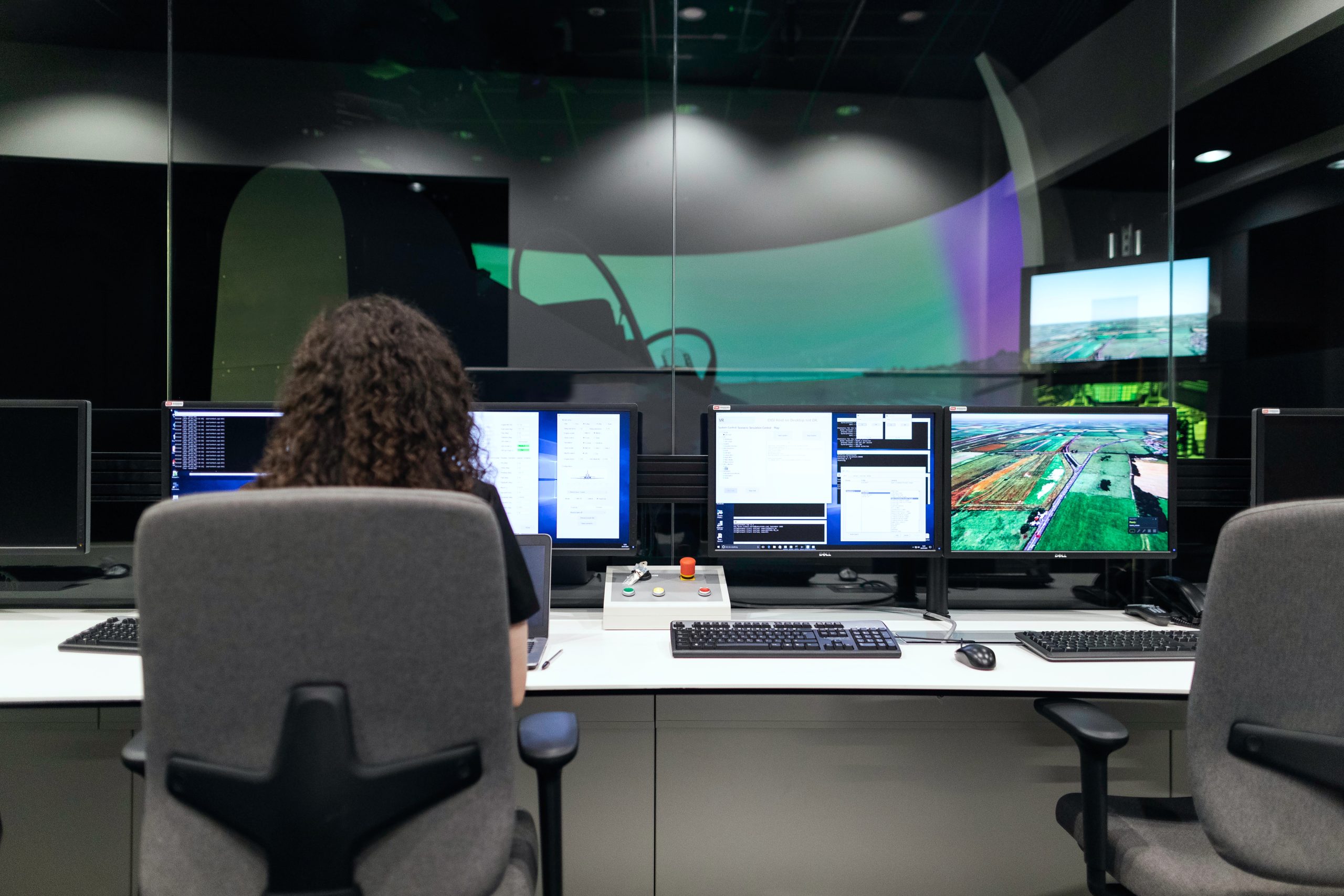
Technology has limited value when operators distrust the workflow or cannot interpret an alert. Training should combine role-based classroom learning, simulator exercises and coaching on live systems for instrumentation technicians, maintenance crews, HSE personnel and production support teams. Role-based instruction, simulations and supervised practice should be built into Saudi workforce training, rather than added as a one-off launch event.
A staged rollout should be guided by the following priorities:
These controls keep the programme manageable. Each pilot should produce evidence that people can use the new process, that the data is trustworthy and that benefits persist after the specialist team leaves.
Australian energy businesses contribute useful experience from offshore LNG and remote gas operations. Perth is a major centre for Western Australia’s oil, gas and LNG services, while Brisbane supports Queensland’s energy sector; Darwin is important for northern logistics. This market has developed capable field-service, engineering and asset-maintenance communities that transfer well to Saudi programmes.
Everyday operating habits also matter. Pre-start checks, toolbox talks, two-way radio handovers and disciplined fatigue controls are familiar in Australian crews, as are fly-in-fly-out rosters that make handover quality critical. Australia’s state and territory work health and safety laws reinforce the duty to eliminate foreseeable risks, including psychosocial hazards created by poor system design or constant alert overload.
Data and cyber controls require similar care. The Privacy Act 1988, Notifiable Data Breaches scheme and Security of Critical Infrastructure Act 2018 may affect Australian organisations or their service providers, especially where operational data is hosted or supported offshore. These laws do not replace Saudi requirements, but they provide a useful benchmark for governance, accountability and incident response.
The greatest implementation risk often sits between production, IT, cybersecurity and field operations. A joint governance group should decide which decisions the technology will support, what data is authoritative and who can authorise a change to an industrial control system. Cyber incident exercises, vendor assurance and restore testing should be treated as part of field readiness, not as technical extras.
ZONE IBOSS supports this kind of coordinated delivery through its experienced technology team, combining IT consulting, software testing, solution-provider and implementer management with digital transformation support through its platform. The measurable result should connect technology adoption to production performance, maintenance efficiency, HSE outcomes and workforce confidence. The lesson to remember is that digital transformation succeeds when connected technology, Saudi workforce capability and accountable field outcomes advance together.
The “ZONE IBOSS” team of experts are fully prepared to provide immediate assistance to choose the best service and the best solution for your business today.