No products in the cart.
Digital Transformation of Your IT Service
Outsourcing Through Our ZONE IBOSS Platform
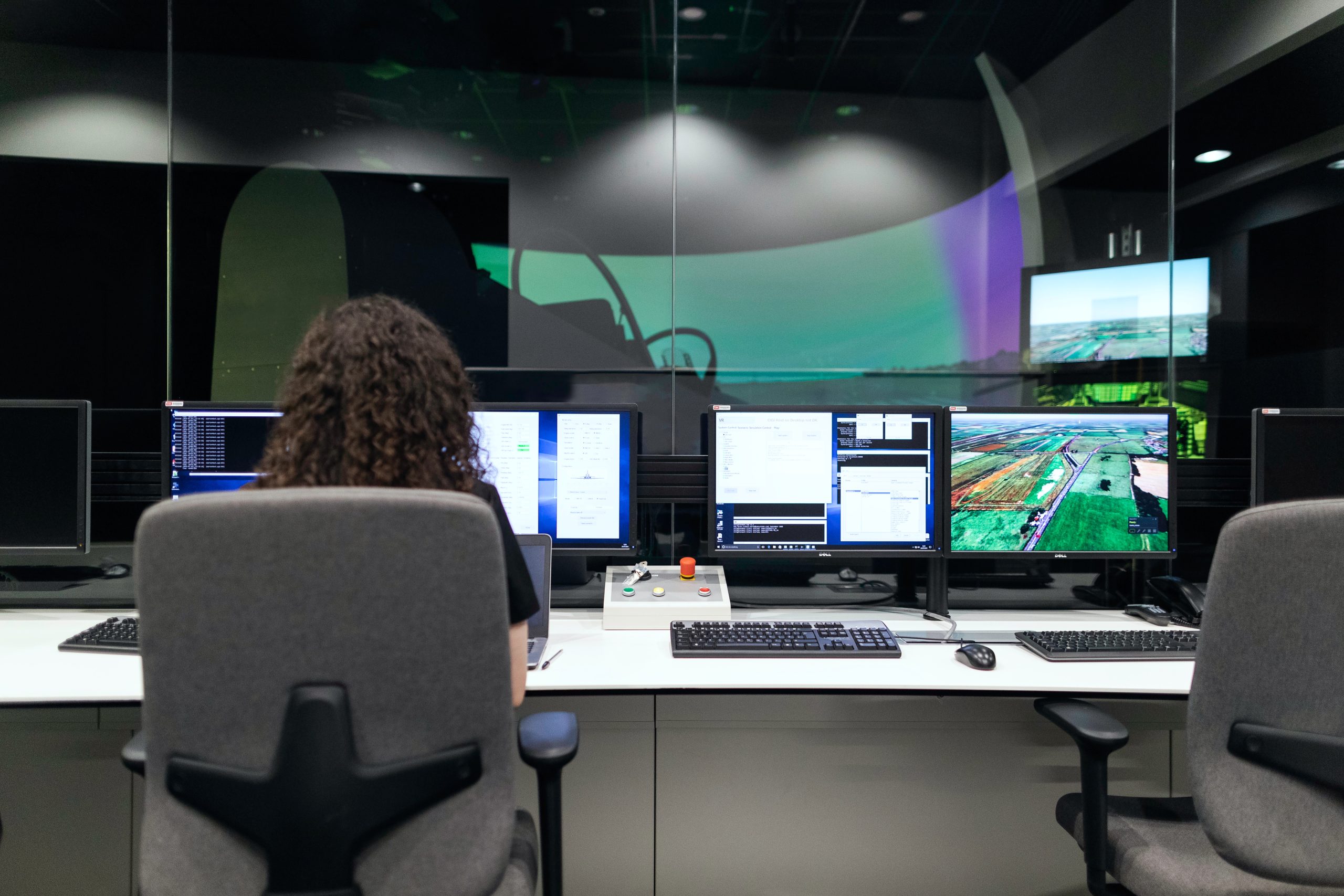
Saudi agriculture is entering a data-driven phase. Farms, greenhouses, livestock operations, and food producers are using connected technologies to manage scarce water, fluctuating temperatures, labor demands, and crop quality. Internet of Things (IoT) devices make it possible to observe field conditions continuously instead of relying only on periodic inspections.
This shift is especially relevant in a country where efficient resource use is essential. Soil moisture sensors, weather stations, satellite imagery, automated irrigation, and farm management platforms can work together to support faster and more accurate decisions.
For agricultural businesses, digital transformation is not simply about installing devices. It requires a reliable technology strategy, secure data flows, tested software, and integration between operational systems. ZONE IBOSS supports organizations with IT consulting, implementation management, software testing, and digital transformation services suited to Saudi business environments.
Water management is one of the strongest reasons to adopt precision farming. Sensors can measure moisture at different soil depths and send readings to an irrigation controller. The system can then adjust watering according to crop needs, weather forecasts, evapotranspiration, and the condition of each growing zone.
This approach helps reduce overwatering and identify leaks before they cause significant losses. It can also improve crop consistency by ensuring that plants receive more uniform treatment. For date farms, vegetables, cereals, and protected agriculture facilities, targeted irrigation can support productivity while controlling operating costs.
IoT also helps farms respond to heat stress, salinity, pests, and disease. Temperature and humidity sensors can reveal conditions that favor fungal growth, while cameras and drones can identify unusual plant behavior. Combining these signals with analytics gives agronomists a clearer basis for intervention.
A connected farm typically begins with field sensors. These devices can monitor soil moisture, electrical conductivity, pH, temperature, humidity, water pressure, tank levels, and equipment status. In greenhouses, additional sensors can track light intensity, carbon dioxide, ventilation, and nutrient delivery.
Connectivity is equally important. Depending on the location and farm layout, operators may use cellular networks, Wi-Fi, LoRaWAN, satellite communications, or private gateways. Edge computing can process urgent data locally, allowing irrigation or climate-control decisions to continue even when cloud connectivity is interrupted.
A central platform brings information together through dashboards, alerts, reporting tools, and application programming interfaces. When integrated with enterprise resource planning, supply chain, maintenance, or accounting software, agricultural data can support broader business planning rather than remaining isolated in a specialist application.
The right architecture depends on farm size, connectivity, crop type, environmental conditions, and the level of automation required. A small greenhouse may need a focused climate-control system, while a large agricultural enterprise could require multiple gateways, cloud analytics, geospatial mapping, and integration with machinery.
| Technology Layer | Agricultural Use | Value To Operators |
|---|---|---|
| Field sensors | Measure moisture, salinity, temperature, and pressure | More precise resource decisions |
| Connectivity gateways | Transfer data from remote devices | Reliable communication across large areas |
| Edge computing | Process readings near the source | Faster control and resilience during outages |
| Cloud platform | Store, analyze, and visualize farm data | Central oversight and historical insights |
| Automation controls | Operate valves, pumps, fans, and dosing systems | Consistent execution with less manual work |
| Analytics and AI | Detect anomalies and forecast conditions | Earlier intervention and improved planning |
An effective solution should also be designed for maintainability. Sensors need calibration, batteries require replacement, and communication equipment must withstand dust, heat, and humidity. A technology provider should define ownership, support procedures, cybersecurity controls, and escalation paths before deployment begins.
A pilot project can demonstrate value without requiring a full transformation at once. A farm may begin with moisture-based irrigation in one area, greenhouse climate monitoring, or equipment tracking for pumps and vehicles. The pilot should have measurable goals, such as reduced water consumption, fewer equipment failures, or improved yield quality.
Successful pilots need representative conditions. Testing only in a convenient field may hide connectivity problems, sensor drift, or operational resistance. A better approach includes different soil types, seasonal conditions, and the staff who will use the system every day.
Once results are validated, the solution can expand through reusable configurations and standardized data models. This reduces duplication and makes it easier to connect new farms, devices, and applications. Implementation managers can coordinate vendors, agronomists, operations teams, and technology specialists so that expansion remains controlled.
Agricultural IoT systems connect physical equipment to software decisions. A faulty reading or failed command could waste water, damage crops, interrupt production, or create safety risks. Testing should therefore cover device behavior, network performance, data accuracy, application logic, and integration with control systems.
Organizations planning smart agriculture programs can benefit from guidance on testing IoT devices, particularly when devices operate across distributed sites. Tests should include intermittent connectivity, low battery levels, duplicate messages, incorrect sensor values, time synchronization, and recovery after a gateway failure.
Cybersecurity must be considered throughout the architecture. Strong authentication, encrypted communication, role-based access, secure firmware updates, network segmentation, and continuous monitoring can reduce exposure. Independent software testing also helps uncover weaknesses before systems are connected to pumps, irrigation valves, or production workflows.
Poor testing can create costs that extend well beyond a software defect. The risks associated with software testing costs become especially serious when automation affects valuable crops and time-sensitive operations. A formal quality strategy protects both the technology investment and the farm’s continuity.
Digital agriculture delivers the strongest results when business objectives guide technology choices. A farm should define which decisions need better data, who will act on alerts, and how improvements will be measured. Useful indicators may include water consumed per production unit, yield per hectare, downtime, energy use, fertilizer efficiency, and response time to incidents.
ZONE IBOSS can help organizations assess current systems, select solution providers, manage implementation, and align software with wider digital transformation goals. Its consulting and testing capabilities are relevant when a farm needs to connect new IoT infrastructure with existing business applications.
A well-governed program also establishes data ownership and reporting standards. Clear responsibilities prevent gaps between technology vendors and farm operators, while consistent records make it easier to compare fields, seasons, and production methods.
Saudi agricultural businesses can use IoT to make irrigation, climate control, maintenance, and crop monitoring more precise. The greatest value comes when connected devices are supported by dependable software, tested integrations, secure infrastructure, and teams prepared to act on the information.
ZONE IBOSS provides a practical starting point for organizations evaluating this journey. Contact the team to discuss an agricultural technology assessment, an IoT pilot, or a scalable digital transformation roadmap designed around operational priorities.
The “ZONE IBOSS” team of experts are fully prepared to provide immediate assistance to choose the best service and the best solution for your business today.