No products in the cart.
Digital Transformation of Your IT Service
Outsourcing Through Our ZONE IBOSS Platform

Saudi Arabia operates one of the world's longest oil pipeline networks, running from Eastern Province fields to Gulf and Red Sea export terminals. Keeping these assets operational requires continuous oversight of pressure, flow, temperature and integrity across thousands of kilometres of remote terrain. The Kingdom is investing in digital infrastructure to modernise supervision, with remote monitoring systems blending edge sensors, cloud analytics and resilient telecommunications now central to that strategy.
Engineering talent for these projects often comes from firms with Pilbara and Bass Strait experience, where pipeline and flowline monitoring has matured over decades. Engineers in Perth and Adelaide routinely oversee unmanned wellheads across some of the driest regions on the planet, and that heritage translates naturally into Saudi desert conditions where heat, sand and isolation create similar instrumentation challenges.
This article looks at how a remote monitoring system for Saudi oil pipelines is architected, which components matter most, and where Australian specialists add practical value. The focus stays on engineering decisions, with attention to standards, data governance and the realities of running critical infrastructure across borders.
At the heart of any monitoring platform sits a distributed array of field instruments. Pressure transducers, ultrasonic flow meters, fibre-optic leak detection cables and cathodic protection probes feed remote terminal units placed at valve stations and pump manifolds.
In Saudi Arabia, where pipelines cross uninhabited desert with limited terrestrial coverage, VSAT and private LTE serve as fallback when fibre is unavailable. Engineers along the Dampier to Bunbury natural gas corridor face the same dilemma, relying on hybrid networks combining 4G LTE with Inmarsat and Iridium backhaul. Most platforms use OPC UA and MQTT protocols to unify vendor hardware.
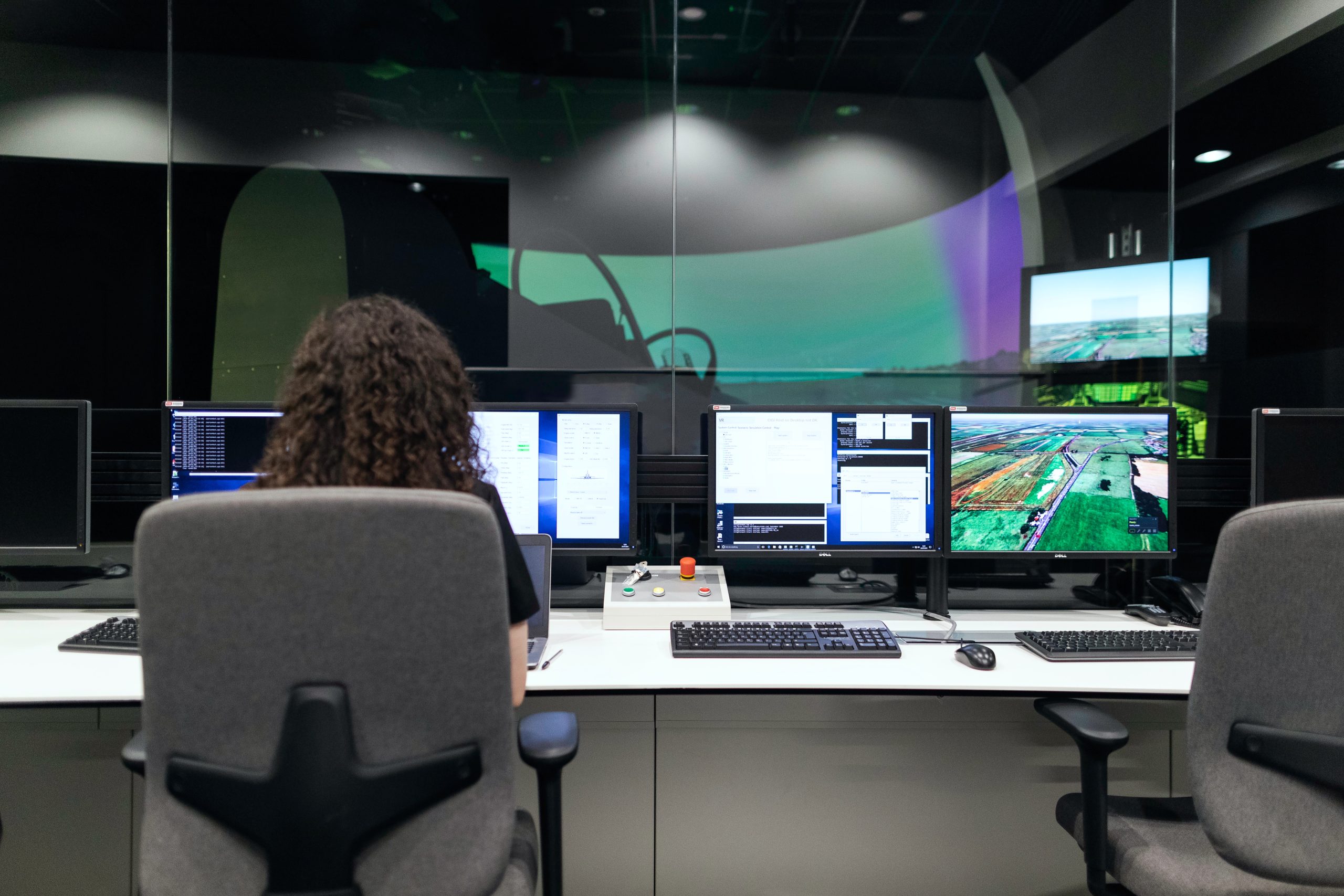
A monitoring system is only as useful as the people reading the screens. Australian control room layouts have shifted toward situational awareness consoles with map-centric interfaces, alarm rationalisation and role-based access. Operators in Brisbane and Melbourne offshore support centres now manage assets located more than five thousand kilometres away.
Saudi operators have adopted similar philosophies, with bilingual interfaces and 24-hour shift rotations tied to Riyadh time. Colour-coded schematics and geofenced alert zones shorten the response window when anomalies appear. Voice and video integration adds resilience, refined in the Australian mining sector where fly-in fly-out rosters depend on visual communication between camps and head offices.
Critical infrastructure operators in both countries work under strict cyber security obligations. In Australia, the Security of Critical Infrastructure (SOCI) Act requires operators to report incidents and maintain risk registers. Saudi regulators, through the National Cybersecurity Authority, have issued overlapping controls covering industrial control systems.
A monitoring platform must be designed with segmentation, encrypted telemetry and rigorous identity management from day one. Field devices sit behind data diodes or industrial firewalls, with unidirectional gateways between the operational technology network and corporate IT. Both regulators expect a tested recovery plan, including offline configuration backups and manual valve operation if the digital layer is compromised.
The Kingdom's Vision 2030 strategy places information technology at the centre of economic diversification, asking energy companies to adopt advanced analytics, automation and artificial intelligence across operations. Pipeline monitoring fits that mandate, since sensor data also supports corrosion forecasting, energy efficiency reporting and emissions accounting.
Australian consulting houses with enterprise IT outsourcing experience advise on these programmes, often alongside local partners who understand Saudi procurement rules. Working with a provider like ZONE IBOSS helps operators connect legacy SCADA systems with modern cloud dashboards without abandoning proven field hardware, valuable for midstream operators who cannot afford a full rip-and-replace.
Once a monitoring system has been gathering clean, time-stamped data for a few months, predictive models start to deliver measurable returns. Algorithms trained on historical pressure transients can flag the early signs of a blockage, while vibration spectra from pumps and compressors can indicate bearing wear weeks before failure.
Australian engineers have applied similar techniques to remote slurry pipelines in the Pilbara, where iron ore operations rely on continuous flow and a single unplanned shutdown can cost millions per day. Edge inference is now common, with models running on RTUs or nearby gateways, reducing bandwidth and letting the system issue warnings within milliseconds.
Saudi Arabia requires certain categories of operational data to remain within national borders, spurring investment in local data centres and private cloud deployments meeting the Personal Data Protection Law and NCA cloud computing controls. Engineers designing sovereign data solutions for Australian government clients under the Protected Security Policy Framework find the regulatory pattern familiar.
Telecommunications diversity is the single biggest determinant of system availability. The most resilient deployments combine fibre along rights of way, licensed microwave for line-of-sight spans and satellite backhaul for the gaps, with quality of service monitoring on each link and automatic failover now standard practice on pipelines through the Empty Quarter.
The technical architecture is only half the story. Sustained operation depends on training local teams to use the monitoring tools, interpret analytics outputs and carry out first-line maintenance. Australian training providers have developed immersive simulation environments that replicate control room scenarios, including rare events such as intrusion alarms and pump trips, now being adapted for Saudi technical colleges.
Spare parts logistics also matter. Remote sites in both countries are served by regional warehouses holding critical modules, with consignment stock managed through the monitoring platform itself so a degrading sensor alert automatically generates a replenishment order. That approach has cut mean time to repair on Australian gas pipelines by a measurable margin.
When telemetry is reliable, the cyber posture is sound and operators trust the screens, a remote monitoring system becomes a quiet but indispensable part of daily operations. Saudi operators modernising their pipeline networks can draw on Australian experience with long-distance assets, harsh environments and strict regulators, building a system that delivers safer, more efficient and more transparent performance for years.
The “ZONE IBOSS” team of experts are fully prepared to provide immediate assistance to choose the best service and the best solution for your business today.